
Skip to content

The Concept

Digital Green Lean brings Lean Manufacturing, Industry 4.0 and Circular Economy into one view of industrial change. Each has its own history and purpose; in industry they act on the same processes, people and resources.

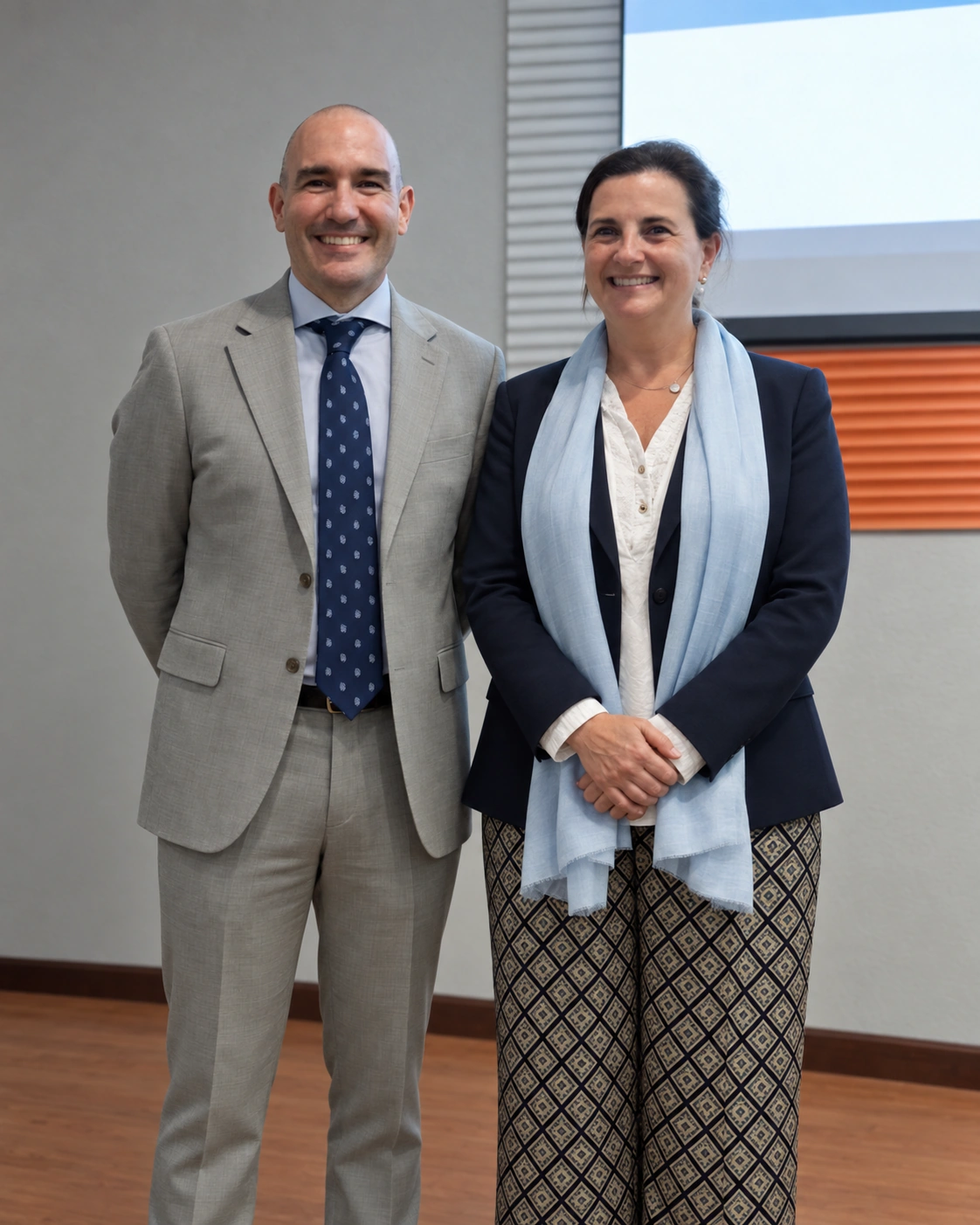
Ignacio Sánchez Gatell and Dr. Lucía Avella together at a presentation

The term Digital Green Lean was first introduced in a scientific publication by Gatell and Avella.

Digital Green Lean began with research into how Digitalization and Circular Economy affect Lean culture and leadership. It asks how an organisation can improve productivity while adopting useful technology and keeping materials in circulation. The framework connects the operating system with the capabilities of the people who lead and perform the work.

Photo: Ignacio Sánchez Gatell and Dr. Lucía Avella, authors of the Digital Green Lean concept.

Foundations

The three foundations

Machined components arranged in an ordered grid that flows into a single line

Lean

Lean Manufacturing

Explore this section

Origin and paradigm

Lean grew from Toyota’s response to resource scarcity in post-war Japan and reached a global management audience through Womack and colleagues in 1990. Its paradigm connects customer value, flow and waste reduction through Just in Time, jidoka and scientific problem solving. Standard work establishes a baseline for improvement, while respect for people treats operators as knowledgeable problem solvers. Performance develops through disciplined learning at the source of the work.

Toyota’s account of TPS

What it contributes

Clear standards and visual problems help teams improve quality, delivery and productivity. People learn from the actual process rather than treating improvement as a one off installation.

Where it strains

A narrow focus on stable, linear throughput can resist recovered inputs and reverse flows. Treating a standard as fixed can also suppress useful Digital evidence. Digital Green Lean retains Lean learning while questioning these assumptions.


A deep green robotic arm with a fine line of light along its edge

Digital

Industry 4.0

Explore this section

Origin and paradigm

Industry 4.0 emerged from Germany’s industrial competitiveness agenda in the early twenty-first century. Its paradigm connects physical production with software through cyber-physical systems, sensors and industrial networks. Integrated data, analytics and AI support monitoring and adaptive decisions, while Digital twins and simulation test possible changes. The ambition is responsive manufacturing and economical customization. Integration also depends on interoperability, data quality, cybersecurity and the people responsible for interpreting automated outputs.

Plattform Industrie 4.0

What it contributes

Better visibility of equipment and material flows can support maintenance, quality and planning. Simulation can help teams test a change before they apply it.

Where it strains

Poor data, opaque models or weak integration with work can create new errors. Rapid recommendations can conflict with validated standards, and people remain responsible for safety and quality. Digital Green Lean asks who interprets the output and how teams test it.

A closed ring of recycled metal ingots with new leaves growing inside

Green

Circular Economy

Explore this section

Origin and paradigm

Circular Economy draws on ecological economics, industrial ecology and systems thinking developed since the 1960s and 1970s. It challenges linear extraction, production and disposal by maintaining product and material value through durability, repair, reuse, remanufacturing and recovery. Its unit of analysis extends beyond the factory to suppliers, users and reverse logistics. Decisions consider complete life cycles and system-wide resource use, with environmental and social outcomes alongside economic performance.

European Commission overview

What it contributes

A broader view of resource productivity can reduce material losses and create new service or supply opportunities. It brings suppliers and customers into production decisions.

Where it strains

Reverse logistics and variable recovered materials can disturb flow, quality and scheduling. A Circular option must be tested against its operational and environmental consequences, not assumed to be better in every setting.

Concept illustrations created for Digital Green Lean; these images do not depict client facilities.

Framework

The Digital Green Lean framework

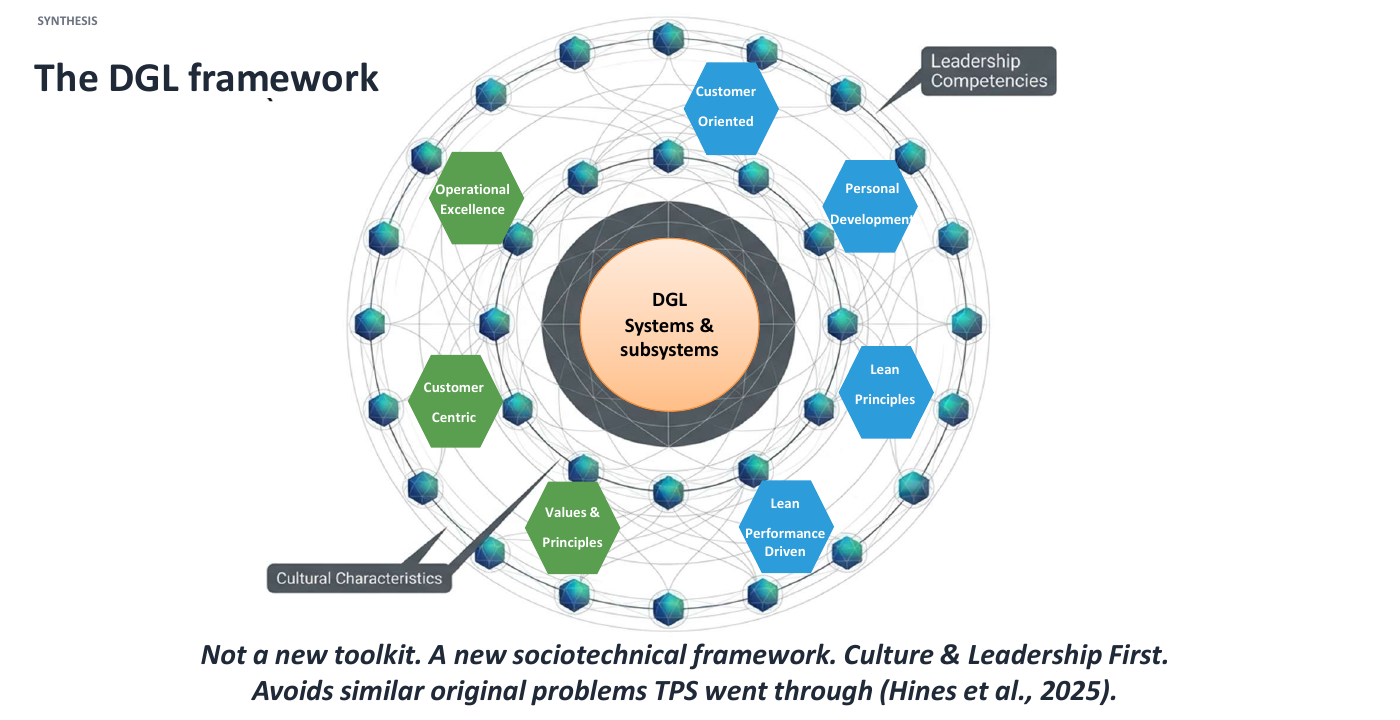
At the centre are Digital Green Lean systems and subsystems. Around them, the doctoral framework connects cultural characteristics with leadership competencies: operational excellence, customer focus, values and principles, personal development and Lean performance. The relationships between these areas matter as the organisation develops new capabilities.

The DGL framework: systems and subsystems at the centre, surrounded by cultural characteristics and leadership competencies
The Digital Green Lean framework, from the doctoral research.

Operations

Operational flow

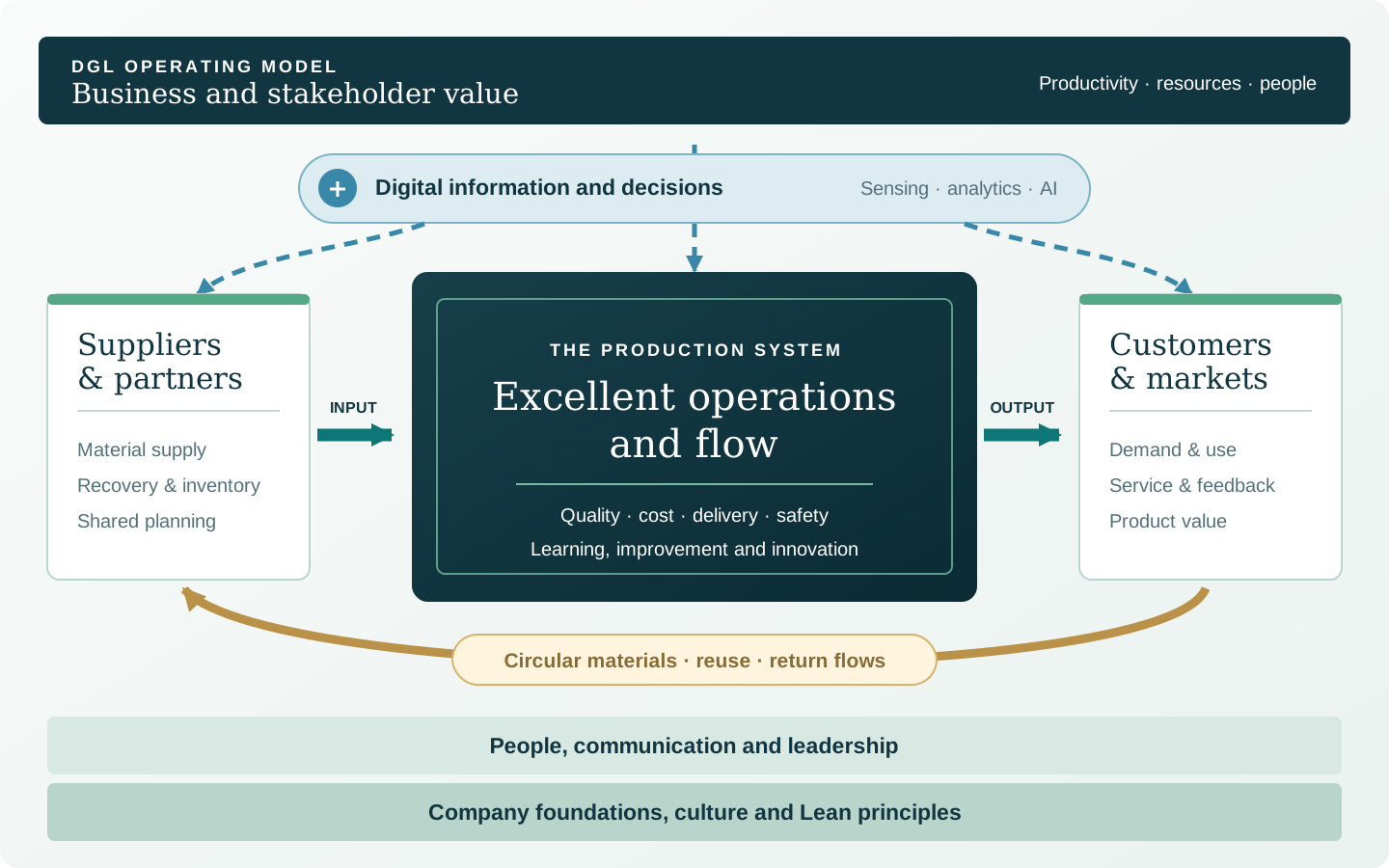
Materials and information move through suppliers, the production system and customers. Digital technology informs decisions along that route. Circularity also brings products and materials back into use. Culture, people and leadership support the choices made throughout the flow.

Operational flow diagram: suppliers, operations and customers connected by material and information flows, with circular loops and culture, people and leadership beneath
The Digital Green Lean operational flow.
  1. Suppliers and recovered materials

  2. Excellent operations and flow

  3. Digital information guides decisions

  4. Customers, use and feedback

  5. Circular materials return

  6. People, leadership and culture support the flow

Integration

What the integrations reveal

Lean + Digital

More responsive decisions meet stable standards.

Lean + Green

Waste reduction meets variability from Circular flows.

Digital + Green

Data makes resource use visible, while Circular choices still demand operational judgment.

All three together

Digital Green Lean examines the operating system, culture and leadership needed to navigate their combined demands.

Aluminium, green and glass-with-moss blocks joined into one unit, symbolising integration

The integrated framework identifies four recurring operational tensions that must be navigated over time.

Engage

Discuss your industrial challenge

Bring a question about productivity, technology, circularity or the capabilities needed to integrate them.

Contact us